
 Food shortages are something most people rarely think about. Grocery stores are typically well-stocked, and supply chains operate quietly in the background. But when disruptions occur—whether from weather events, transportation issues, crop failures, economic instability, or geopolitical conflicts—the effects can spread quickly through everyday life.
While no one can predict exactly how a future food shortage would unfold, history provides valuable lessons about the challenges communities may face.
One of the earliest indicators of a food shortage is rising prices. As supplies become tighter, the cost of staple foods often increases.
Consumers may notice:
Even minor shortages can have a significant impact on household budgets.
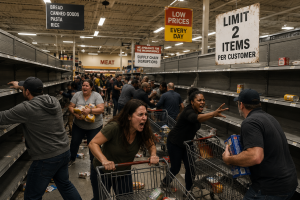
When news of shortages spreads, people often rush to purchase extra supplies. This can create temporary shortages even when inventory is still moving through the supply chain.
Products commonly affected include:
As demand rises, stores may implement purchase limits.
Food shortages rarely affect only one product. Modern supply chains are interconnected.
A shortage can impact:
Delays in one area often create challenges throughout the system.
As food becomes more expensive or harder to find, people typically adjust their habits.
Many families begin:
These changes can improve resilience and reduce dependence on fragile supply chains.
Historically, shortages often encourage people to become more self-reliant.
This may include:
Preparedness helps reduce stress and provides peace of mind during uncertain times.
One positive outcome often seen during difficult times is stronger community support. Neighbors share resources, local organizations assist families, and communities work together to overcome challenges.
Preparedness is not only about individual readiness—it’s also about helping those around us.
Food shortages can affect prices, supply chains, and daily routines. While the severity of any future shortage is impossible to predict, history shows that preparation, adaptability, and community support can make a significant difference.
The goal is not to fear shortages but to understand how they can affect everyday life and take reasonable steps to be prepared.
Those who plan ahead often experience less stress and greater confidence when disruptions occur.
