
 When you’re camping, hiking, or dealing with an emergency situation, mosquitoes, ticks, flies, and other biting insects can become more than just annoying. They can make outdoor activities miserable and some can transmit disease.
There are several natural or low-tech ways to reduce bug bites, especially when you don’t have conventional bug spray available.
One of the simplest defenses is also one of the most effective: cover up.
Wear:
Tucking pants into socks can provide another layer of protection against ticks and crawling insects.
A smoky campfire can help discourage some flying insects from hanging around your immediate campsite. Sitting where the smoke drifts can reduce bugs, although it shouldn’t be relied upon as your only protection.
Always manage campfires safely and follow local fire restrictions.
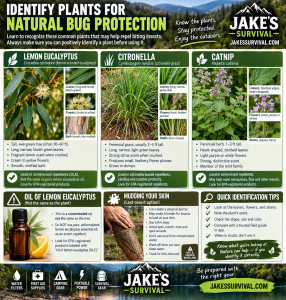
Some plant-derived ingredients are used in insect repellents, including citronella, catnip oil, and oil of lemon eucalyptus (OLE).
An important distinction: CDC does not recommend using pure lemon eucalyptus essential oil as a mosquito repellent. If you’re using a plant-based repellent, look for a product that has been tested and registered for that purpose.
In a true survival situation, you may also think about covering exposed skin with a thin layer of mud.
Mud can physically cover skin and may make it harder for some insects to land directly on you. It can also provide a temporary barrier when you have no other options.
However, mud is not a proven insect repellent and shouldn’t replace an EPA-registered repellent, protective clothing, or other proven measures.
If you use mud as an emergency barrier:
Think of mud as a last-resort survival technique, not a guaranteed bug shield.
Location can make a huge difference. Standing water, tall grass, dense vegetation, and swampy areas can contain large numbers of mosquitoes and other biting insects.
When possible, choose a campsite that is:
In a survival situation, you may not have access to your normal bug spray. Knowing how to cover your skin, choose your location, use smoke appropriately, and improvise a temporary barrier such as mud can give you additional options.
For everyday outdoor protection, however, proven insect repellents and protective clothing remain the more dependable choices. CDC and EPA recommend EPA-registered repellents for protection from mosquitoes and ticks.
Don’t wait until you’re already in the woods to think about protecting yourself.
Prepare ahead of time with survival gear, outdoor supplies, water filtration, shelter equipment, and other preparedness essentials at JakesSurvival.com.
JakesSurvival.com — Be prepared. Stay outdoors. Stay ready.
#JakesSurvival #SurvivalSkills #SurvivalTips #BugBites #MosquitoProtection #CampingTips #OutdoorSurvival #Prepping #Preparedness #Hiking #Camping
